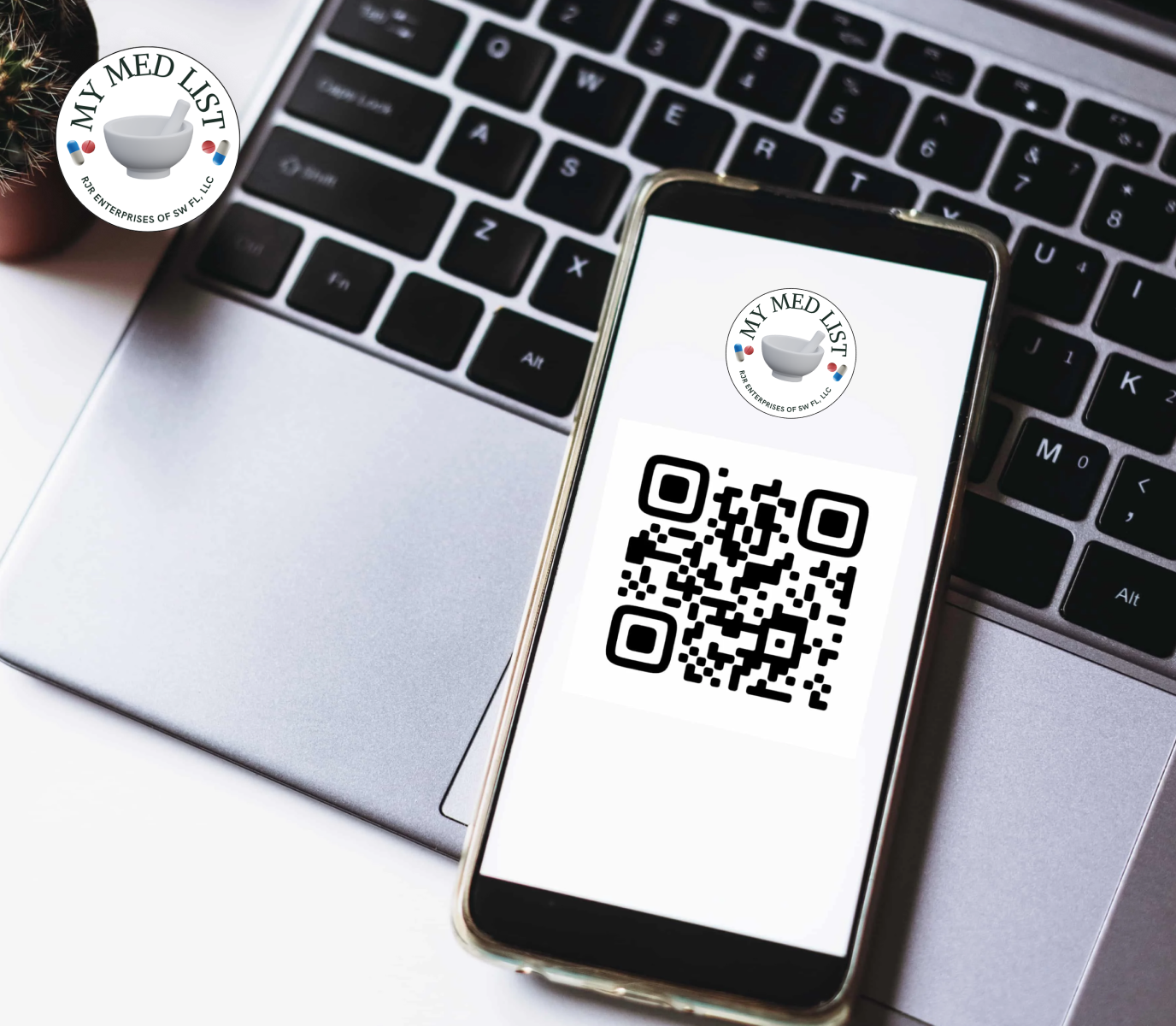
QR Code Medication Lists: A Simple Sharing Solution Published on November 18, 2025 | 8 min read What is a QR Code for Meds? The Secure Sharing Solution Imagine this: you’re in an urgent care clinic, stressed and in discomfort. The nurse asks for your medication list. Instead of fumbling through your bag for a wrinkled piece of paper or struggling to recall dosages from memory, you simply pull out your phone. With one tap, you display a unique QR code. The nurse scans it with her tablet, and instantly, your entire, up-to-date medication history—drug names, dosages, allergies, and emergency contacts—appears on her screen. This isn’t a scene from a futuristic movie. This is the power and simplicity of a QR code medication list, a revolutionary tool that is transforming how we manage and share our most critical health information. Beyond the Grocery Store: What is a QR Code in Healthcare? You’ve likely used QR codes to view a restaurant menu or claim a coupon. In essence, a QR (Quick Response) code is a sophisticated barcode that stores digital information. When scanned by a smartphone camera, it instantly directs the user to that information—typically a website, a document, or a pre-filled form. In the context of healthcare, this technology is being harnessed for patient safety and efficiency. A QR code medication list is a personalized code that links directly to your secure, digital medication profile. It acts as a key, providing authorized individuals immediate access to the information you’ve chosen to share, without ever needing to type a website address or search through an app. The Critical Problem It Solves: The Fragility of Traditional Medication Lists For decades, the standard for sharing medication information has been fraught with risk: The Paper List: Easily lost, damaged, or outdated. Handwriting can be illegible, and it’s cumbersome to update and reprint. The Memory Method: Unreliable and dangerous, especially under stress or in an emergency. Key details are often forgotten. The Notes App: While better than nothing, it still requires manual searching, scrolling, and copying. Sharing the entire list often means handing over your unlocked phone. These methods create an “information gap” between you and your healthcare providers, a gap where medication errors can easily occur. A QR code medication list bridges this gap instantly, ensuring that accurate data is available at the point of care. How It Works: Your Health Information at a Scan Creating and using a QR code medication list is a straightforward process, especially with a dedicated platform like MyMedList.net: Build Your Electronic Med List: First, you create a comprehensive digital profile. You input all your prescriptions, over-the-counter medications, supplements, allergies, and crucial details like your pharmacy and emergency contact. Generate Your Unique QR Code: The platform automatically generates a unique QR code linked specifically to your profile. This code can be saved as an image on your phone, printed on a small card for your wallet, or even added as a widget to your phone’s home screen. Share with a Scan: When a doctor, pharmacist, or paramedic needs your information, they simply use their device’s camera to scan your code. They are granted secure, view-only access to your profile without the ability to edit it. This seamless process eliminates transcription errors, saves valuable time during appointments, and ensures that everyone on your care team is working from the same, accurate information. The Non-Negotiable Feature: HIPAA Compliant QR Med Share Whenever health data is involved, security is paramount. The thought of your private medical information being easily accessible might raise red flags. This is where the concept of a HIPAA compliant QR med share becomes critical. The Health Insurance Portability and Accountability Act (HIPAA) sets the national standard for protecting sensitive patient data. A legitimate QR code medication list service must be built to meet these stringent requirements. When evaluating a service, look for these HIPAA compliant features: Encrypted Data: Your information should be encrypted both “in transit” (while being transmitted during a scan) and “at rest” (while stored on the server). Access Controls: You should have control over who sees your information. This can include time-limited access (the code expires after a single scan or after a set time) or the ability to revoke access at any time. Secure Authentication: The platform should require secure logins and ensure that only authorized users (you) can create and manage the QR code. Audit Trails: The service should log who accessed your information and when, providing you with a record of its use. A HIPAA compliant QR med share system gives you the confidence to use this convenient technology, knowing your sensitive data is protected with the highest security standards. The Tangible Benefits: Why You Should Make the Switch Today Adopting a QR code for your medications offers profound advantages for your safety and peace of mind. Speed and Efficiency in Emergencies: In a crisis, seconds count. Paramedics can scan a code on your wallet card or phone lock screen and immediately know what medications you are on, what allergies you have, and who to contact. This can prevent life-threatening errors and guide critical treatment decisions. Empowerment During Doctor’s Visits: Walk into any appointment—whether with a new specialist or your primary care physician—and provide your complete history in under five seconds. This allows for more time to discuss your health rather than reciting your medication list. Enhanced Accuracy for Caregivers: For those managing medications for an aging parent or a loved one, a QR code ensures that any caregiver, from a family member to a professional aide, has instant access to the correct, up-to-date instructions, reducing the risk of dosing mistakes. Simplified Pharmacy Consultations: When picking up a new prescription, your pharmacist can quickly scan your code to review your full regimen for potential interactions, providing an invaluable extra layer of safety. Implementing Your QR Code Medication List: A Step-by-Step Guide Ready to get started? Here’s how to integrate this tool into your life securely: Step 1: Choose a HIPAA Compliant

